




Monterey: A Place of Literary Inspiration
Jan 14, 2026
In this week’s blog we explore Monterey and its surrounding areas as a literary inspiration. Written by our own Concierge, Chris Boyle, you’ll uncover the most scenic locations that inspired some of the most renowned writers, and discover how to experience them on your next visit to Monterey County!
Monterey County has long captivated writers seeking inspiration. Its breathtaking coastline, rich history, and unique charm attract poets, Pulitzer Prize winners, and novelists alike. With destinations such as Carmel-by-the-Sea, Big Sur, the Salinas Valley, and historic Monterey, each offers distinctive landscapes and culture, making the region a true literary haven.
Carmel Point
Hurt Hawks by Robinson Jeffers
Robinson Jeffers was a well-known American poet inspired by the natural beauty of the Central Coast, especially Point Lobos and Carmel-by-the-Sea, which served as a muse for much of his writing and ideas.
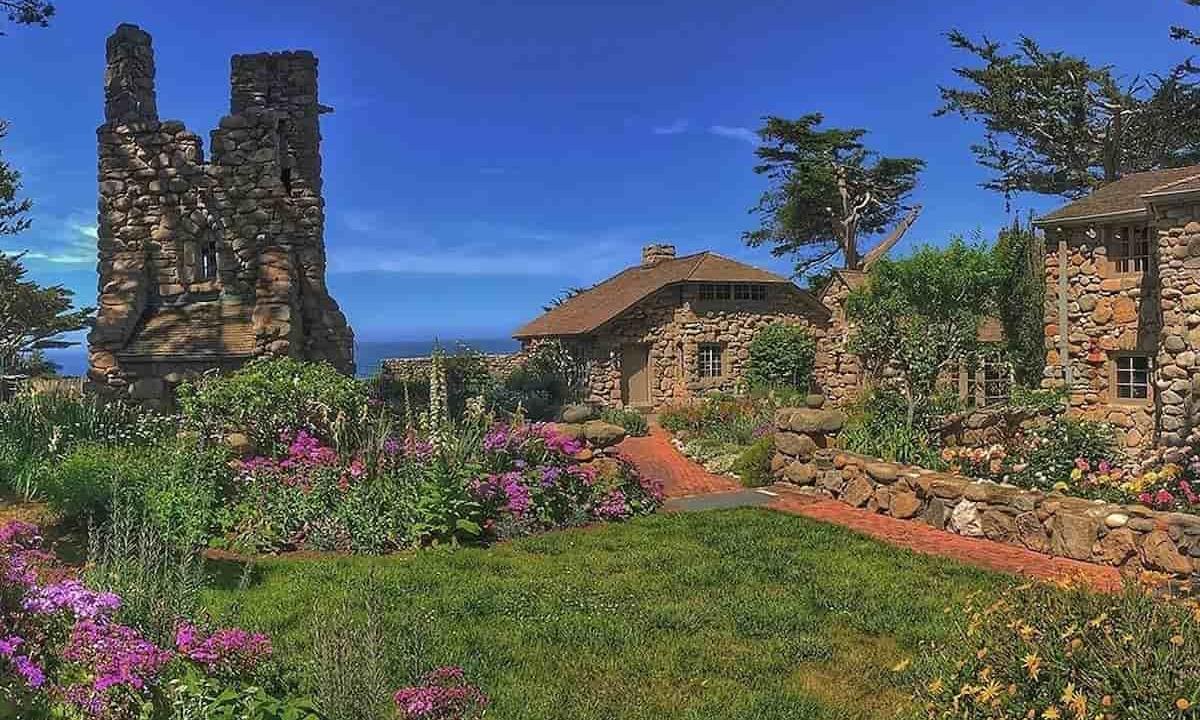
In 1919, he purchased land at Carmel Point and built a house with the help of local stone workers. He was inspired by a Tudor barn his wife admired in England, and they named the house Tor House because it sits on a rocky peak—a "tor" in Gaelic.
Nearby, Jeffers constructed a forty-foot stone structure known as Hawk Tower, personally selecting and placing each granite boulder, some weighing as much as 400 pounds. His connection to nature and the rugged landscape deepened his love for the area and became an essential aspect of his poetry.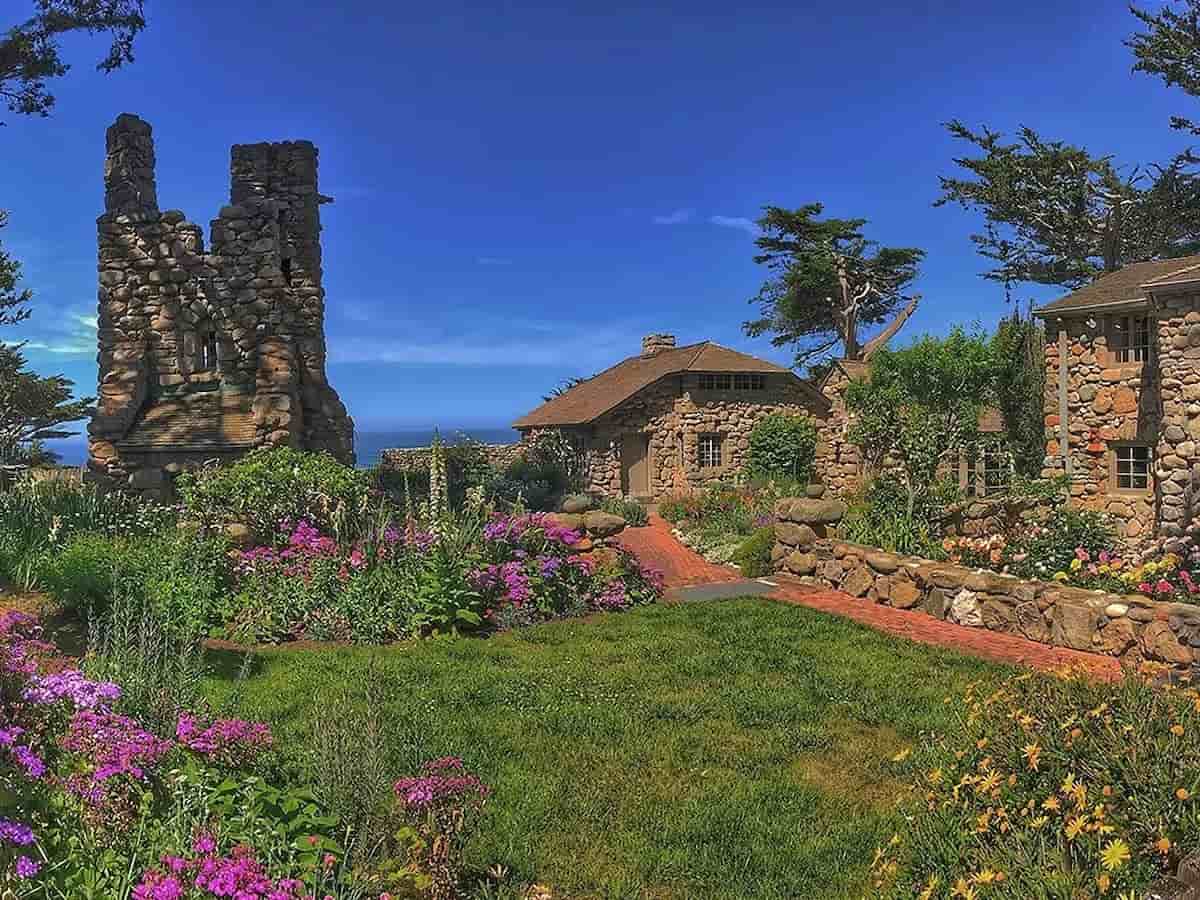
An early pioneer of the environmental movement, Jeffers spoke out against overpopulation, pollution, and the depletion of natural resources. In his poem Hurt Hawks (1928), he declared, "I'd sooner kill a man … than a hawk," showing his contempt for humanity's self-destructive tendencies. Point Lobos and the preserved Tor House and Hawk Tower provide a glimpse into the landscapes that inspired him. https://www.torhouse.org/.
Carmel-by-the-Sea
The Valley of the Moon by Jack London
Jack London experienced Carmel-by-the-Sea as a literary haven, an inspiring environment for writers and artists to escape the pressures of city life. London enjoyed the fellowship of this bohemian community, where he could interact with like-minded artists and writers, including Upton Sinclair, Robinson Jeffers, and George Sterling, who served as inspiration for the novel's characters and settings.
London vividly captured the essence of early twentieth-century Carmel in his novel The Valley of the Moon (1913), where he depicts a striking scene of the “cream-wet sand where land and sea met,” where poets and writers flourish in “woods-embowered cottages,” enjoying a carefree existence, cooking fish and abalone on the beach, while engaging in intellectual debates. https://www.carmelcalifornia.com/carmel-beach/.
The Carmel Art Association, established in 1927 to succeed the earlier Arts and Crafts Club, continues to play a pivotal role in defining and shaping the area's unique art community today. https://carmelart.org/history/.
Monterey
Cannery Row, Sweet Thursday, and The Log from the Sea of Cortez by John Steinbeck
Steinbeck was inspired by much of Monterey County, which served as the setting for several of his most famous novels, including Tortilla Flat, Cannery Row, East of Eden, and Sweet Thursday.
Steinbeck's famous novel, Cannery Row (1945), depicts the lively sardine canning factories of the Great Depression, as well as the gritty atmosphere of the declining industrial waterfront. His close relationships with canning workers, roughnecks, and outcasts shaped the eccentric, resilient characters in his stories. https://canneryrow.com/. 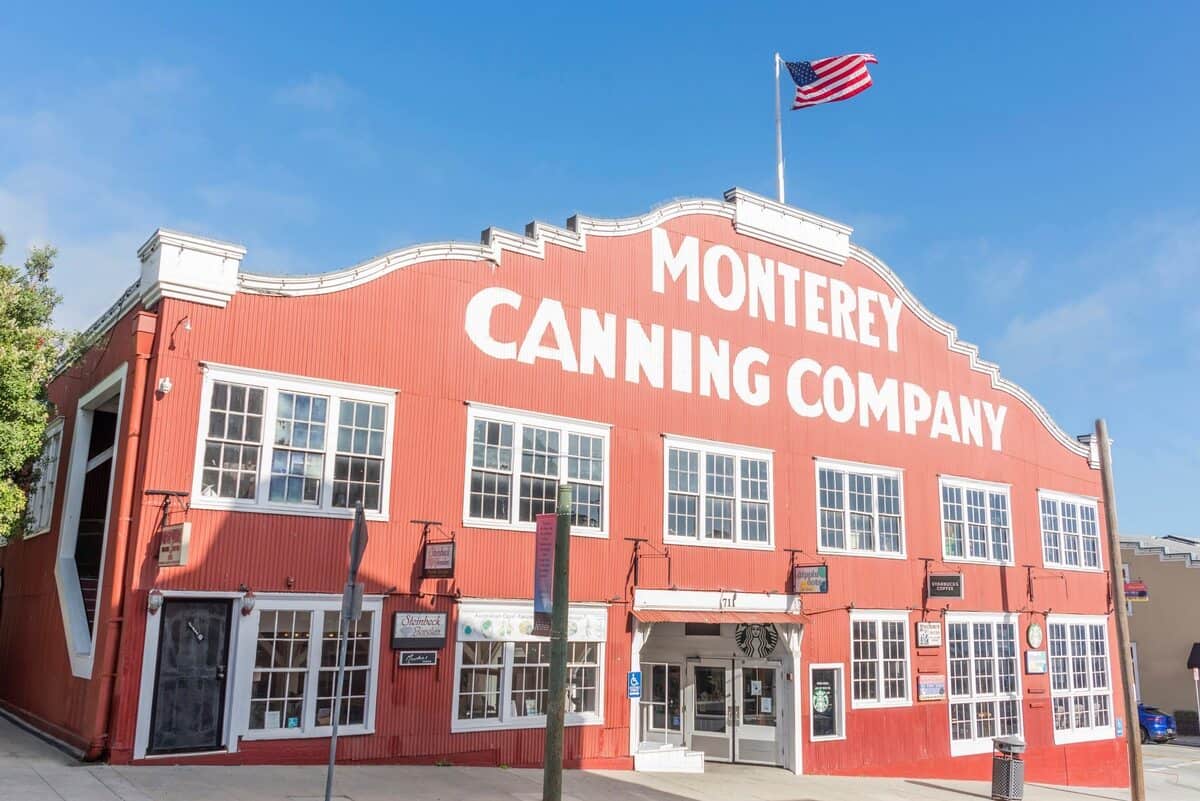
"Doc," a young marine biologist based on Steinbeck's close friend Ed Ricketts, is a memorable character in Cannery Row and the sequel, Sweet Thursday. Their shared experiences and theories about marine life and philosophy greatly influenced Steinbeck's themes.
In The Log from the Sea of Cortez, he writes about his friendship with and love for Ed Ricketts. "I knew Ed Ricketts instantly. I knew him from the start, and I knew him better than anyone else for the next eighteen years.” Their friendship was so close, his first wife thought their relationship was, as Princess Diana once put it, "more than a little crowded."
Doc's lab is known as Western Biological in the novel. Ricketts lived and worked there, both in the story and in real life. It’s located across from the Monterey Bay Aquarium. https://montereypl.libcal.com/event/15698496.
*As an FYI, Netflix is creating a seven-episode limited series based on John Steinbeck's East of Eden, with a premiere targeted for the first half of 2026.
Big Sur
Big Sur by Jack Kerouac
Jack Kerouac wrote his semi-autobiographical novel Big Sur (1962) in a small, rustic cabin located in Bixby Canyon, California. The cabin belonged to his friend and fellow Beat poet, Lawrence Ferlinghetti. During this time, Kerouac was grappling with the complexities of fame and doubt following the success of his earlier work, On the Road.
Big Sur chronicles three trips to Raton Canyon, also known as Bixby Canyon, along the California coast. The rugged beauty and spiritual allure of this area profoundly inspired Kerouac. For him, it was both a physical escape and a psychological backdrop, reflecting his struggles with depression, alcoholism, and a desire for spiritual fulfillment. https://www.visitcalifornia.com/experience/bixby-bridge/.
The nervous breakdown described in the book was based on real experiences. The narrator, who represents Kerouac himself, believes that nature—along with self-reliance, spiritual purity, and truth—might save his soul. However, by the end of the book, this optimism is revealed to be little more than a misguided illusion.
The cabin is nestled in the woods near Bixby Creek Bridge. Although it remains private and inaccessible to the public, the area serves as a pilgrimage site for literary fans. I encourage you to visit the Henry Miller Memorial Library, a cultural hub in Big Sur that celebrates the region's bohemian past. https://www.henrymiller.org/.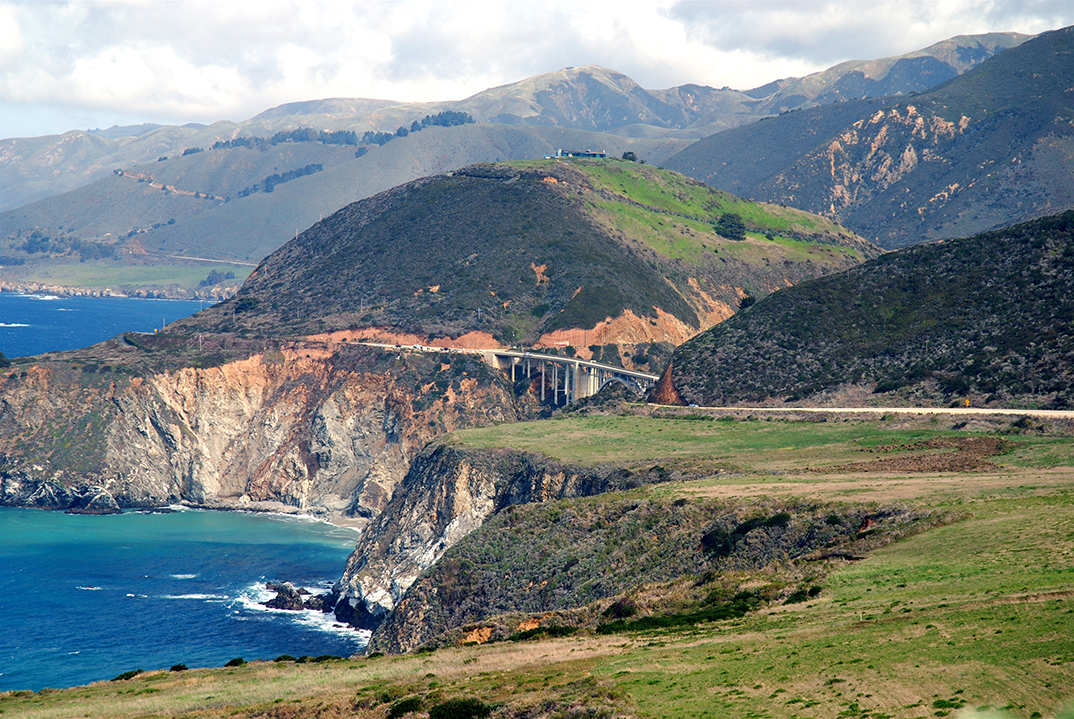
By capturing various aspects of Monterey County—Jeffers with its timeless landscape, London with its lively creative atmosphere, Steinbeck with its human drama, and Kerouac with its spiritual refuge—these writers established the area as a source of American literary imagination.
Experience Monterey Firsthand
Whether you’re familiar with these works of literature or just discovering them, experiencing these locations in person will offer now offer a deeper way to connect with the destination. Visit Monterey firsthand and make the Portola Hotel & Spa your home base for the adventure. To book your stay, by visit our website or call us at (888)-222-5851.
Latest Articles
Portola Book Club
Portola Book Club! May Pick: Big Sur by Jack Kerouac
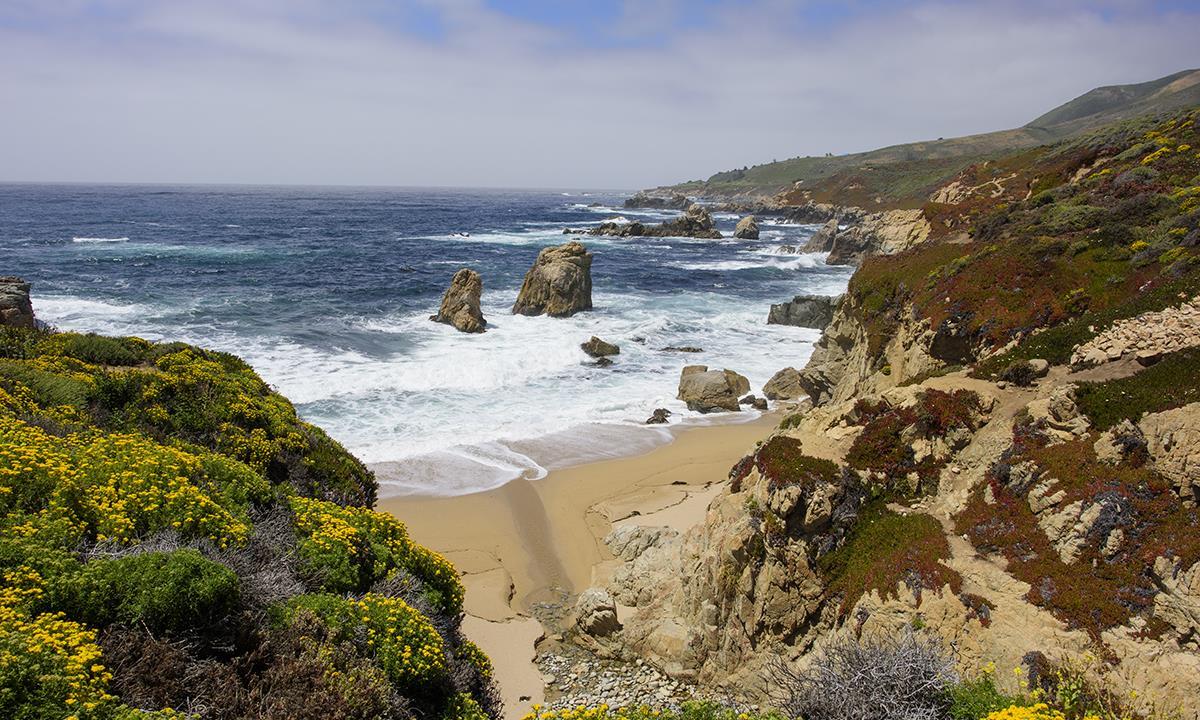
Happy May! We’re excited to share another Portola Book Club novel this month. With every selection, we highlight a story that connects in a meaningful way to our beautiful destination. Monterey County has a rich literary history, making it a dream for literary tourism, and allowing visitors to explore the places that have shaped some of the most iconic stories while discovering new favorites along the way. As always, we’ll have copies of this month’s book available to borrow in our lobby library.
A Weekend Trip to Monterey
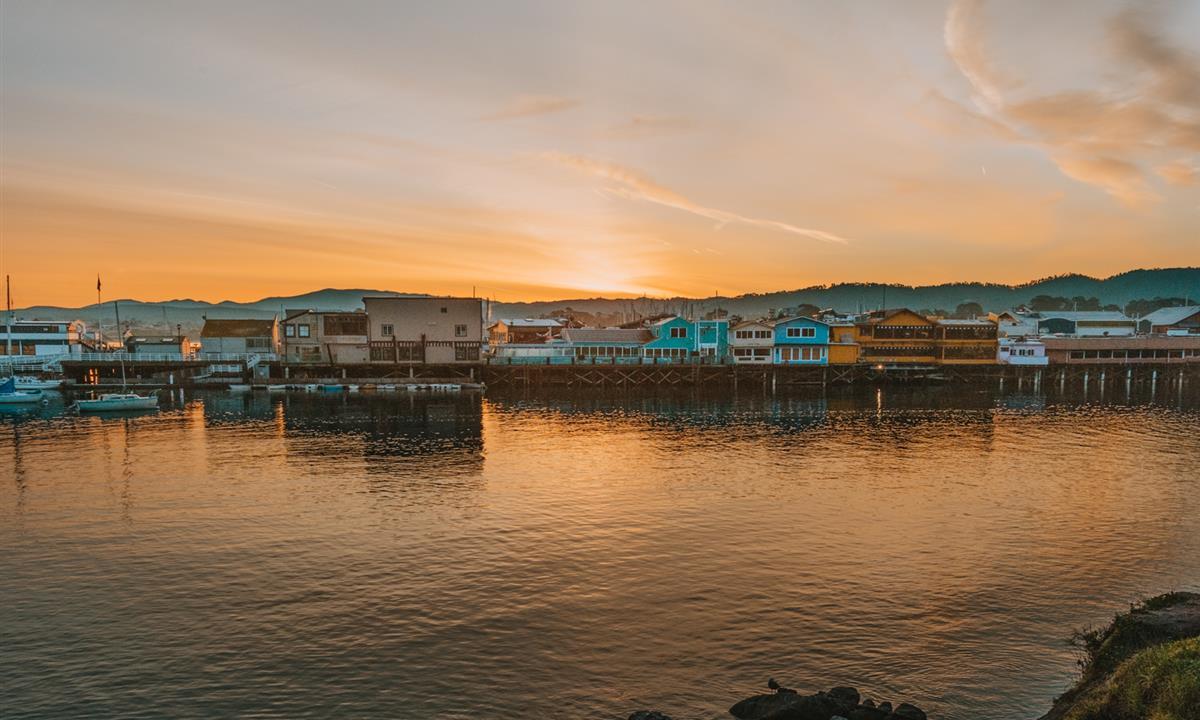
While there’s no shortage of things to do in Monterey, it is not always necessary to take a full week to explore this part of California. It is totally possible to experience what Monterey has to offer in one weekend, so we have created an itinerary for your weekend trip so that you can experience this destination without taking extra days off!
Portola Book Club
Portola Book Club! April Pick: The Celebrants by Steven Rowley
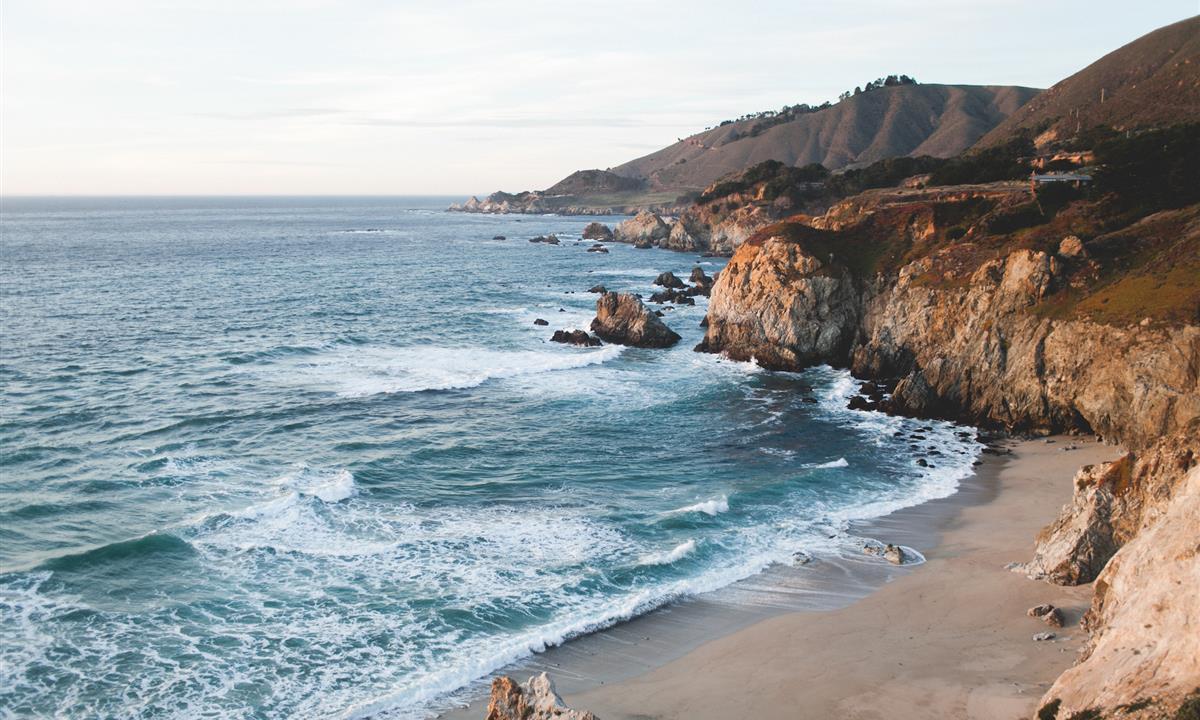
Welcome back to another Portola Book Club blog! We’re excited to jump back in as we continue to share a novel that has some significance to our beautiful destination. Monterey County has a rich literary history, making it a dream for literary tourism, and allowing visitors to explore the places that have shaped some of the most iconic stories while discovering new favorites along the way. As always, we’ll have copies of this month’s book available to borrow in our lobby library.
Best Places to Go on a Nature Walk in Monterey County
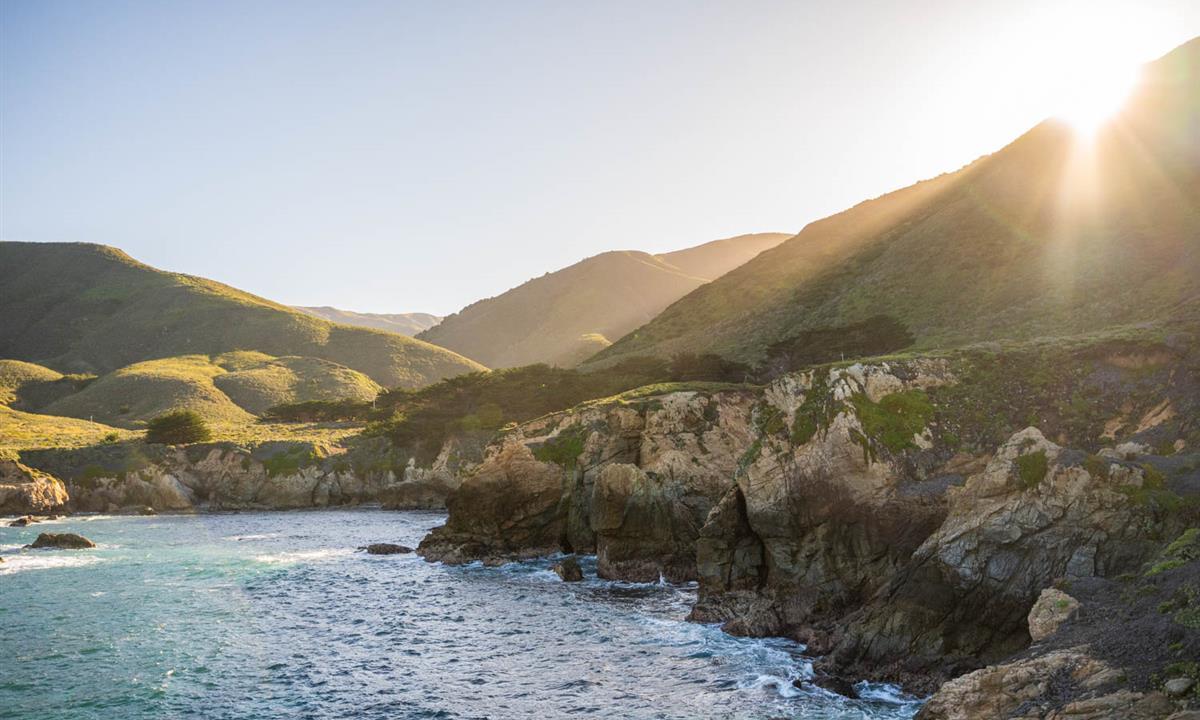
One of the most relaxing things you can add to your Monterey itinerary is a nature walk. The stunning landscapes of Monterey County, featuring rugged coastlines and towering forests, beckon travelers for a reset in nature. With many trails to choose from, finding a location for a nature walk is easy. In this week’s blog, you’ll learn about trails that take you to the coast and others that take you towards the forest. No matter which trails you head to, you are sure to get a good dose of Monterey County’s natural beauty.
Portola Book Club
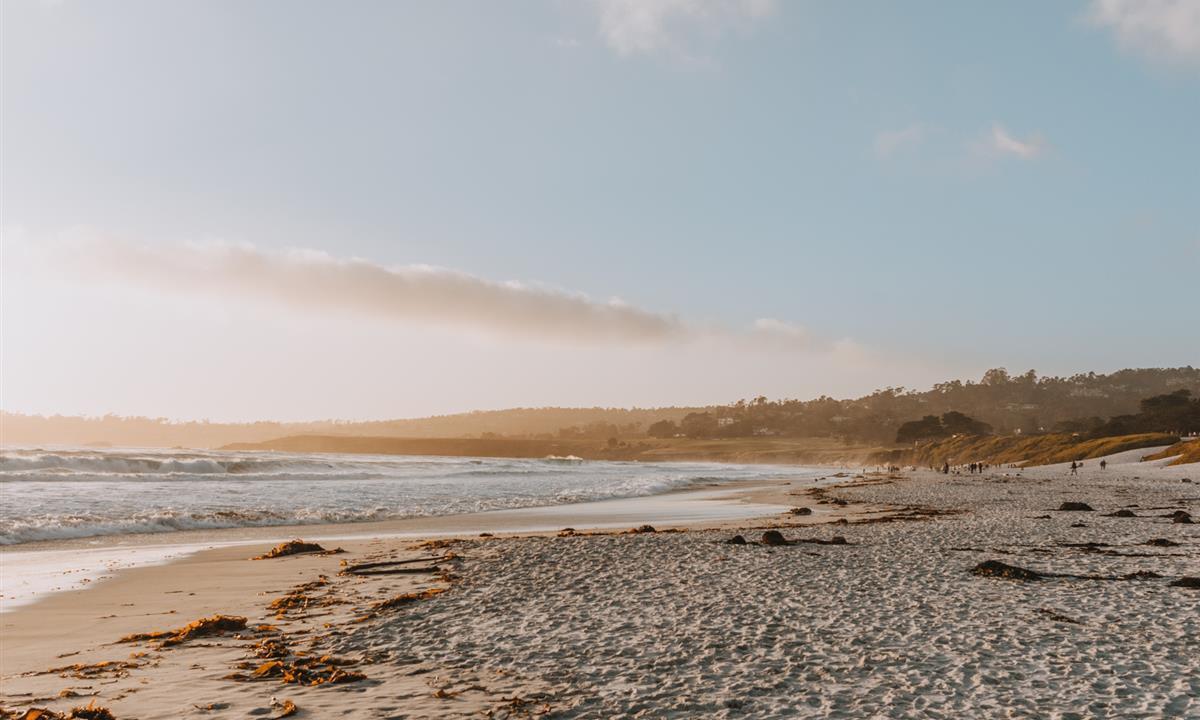
Portola Book Club! March Pick: Typewriter Beach by Meg Waite Clayton
Another month, another Portola Book Club blog! We’re excited to continue our series where each month we share novels share some significance to our beautiful destination. Since Monterey County rich in literary history, it’s a dream for literary tourism, and welcoming visitors to explore the places that have shaped iconic stories while discovering new favorites along the way. As always, we’ll have copies of this month’s book available to borrow in our lobby library.
Explore Monterey
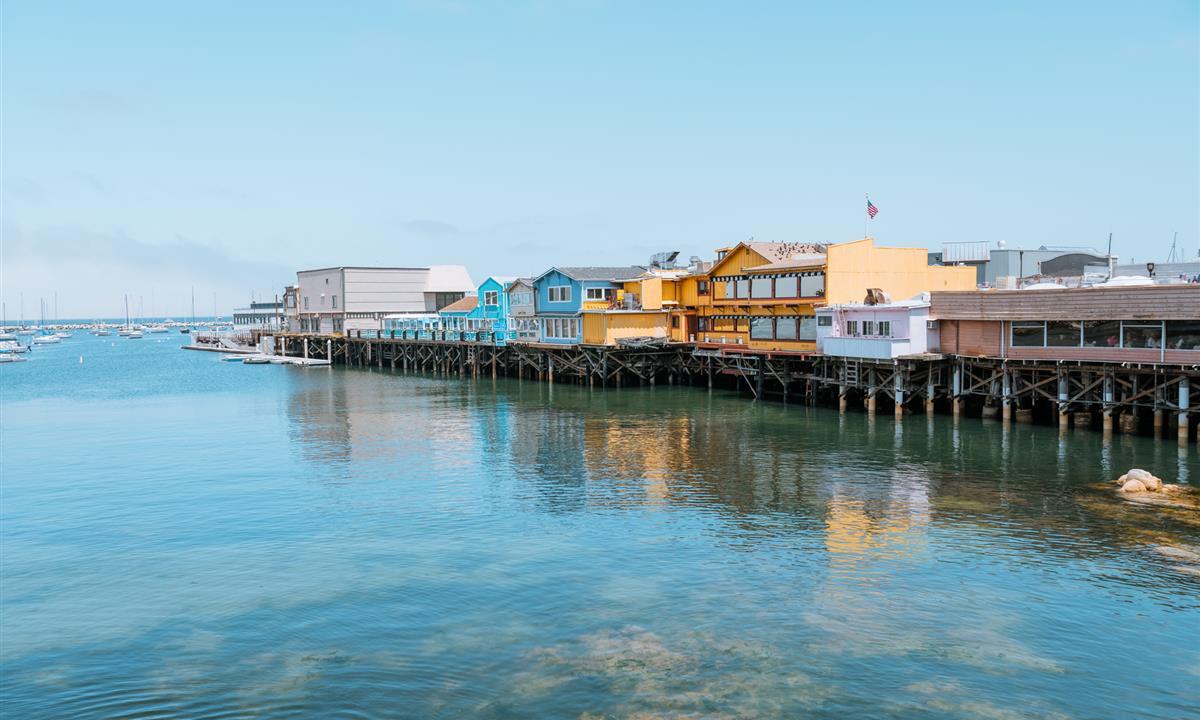
7 Day Monterey Itinerary: The Best of Monterey County Without Feeling Rushed
With so many sites and attractions in Monterey County, planning a week-long getaway might feel overwhelming so we mapped out the perfect 7-day Monterey itinerary. This week-long adventure is designed to help you experience the best of the coast without feeling rushed. If you’re boarding the new nonstop from Chicago to Monterey then this plan brings you the best of the week from the Saturday you arrive to the Saturday you head home!
Monterey: A Place of Literary Inspiration
In this week’s blog we explore Monterey and its surrounding areas as a literary inspiration. Written by our own Concierge, Chris Boyle, you’ll uncover the most scenic locations that inspired some of the most renowned writers, and discover how to experience them on your next visit to Monterey County!
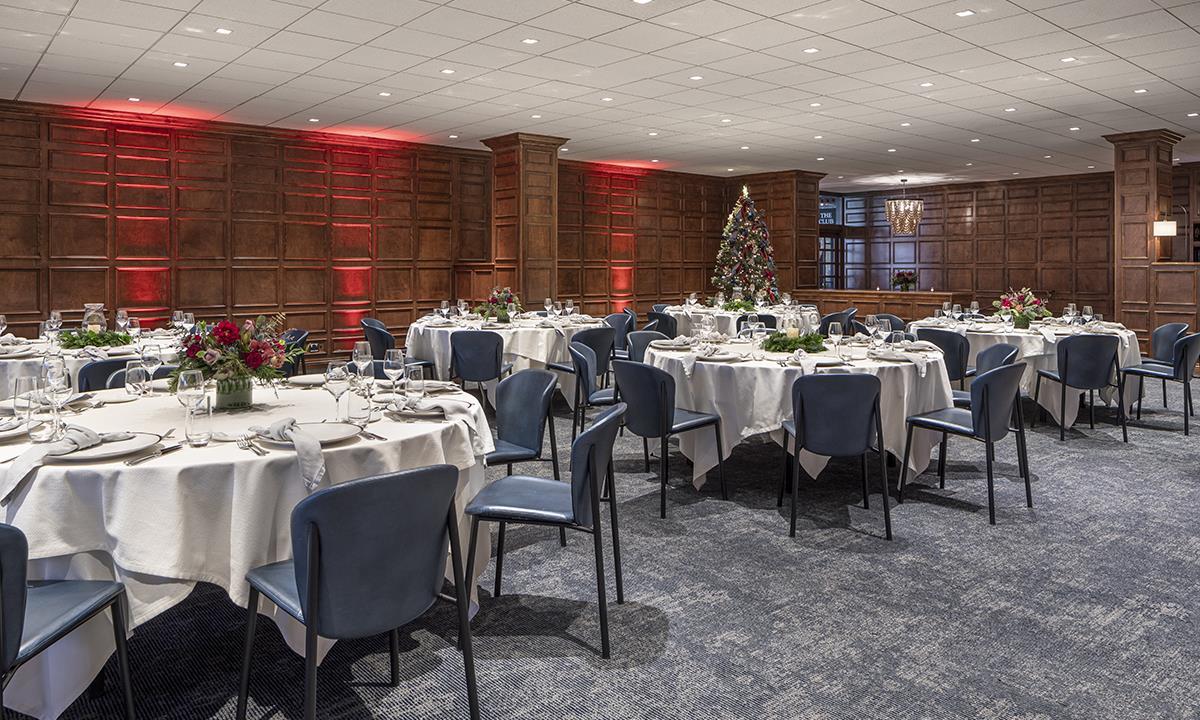
Plan the Best Holiday Event: Q&A with Our Catering Team
The holidays are just around the corner, and Portola Hotel & Spa is the perfect place to host your holiday event! For this week’s blog, we sat down with our Catering Team to talk all things festive, from what makes holiday events at Portola so special to their expert tips for creating a celebration that feels effortless, memorable, and uniquely yours.

Holiday Events in Monterey
This holiday season, Monterey offers a wonderful array of events for everyone to enjoy! Don't miss the holiday magic and memories you'll create this winter by visiting Monterey. Check out all the wonderful holiday magic happening this season!
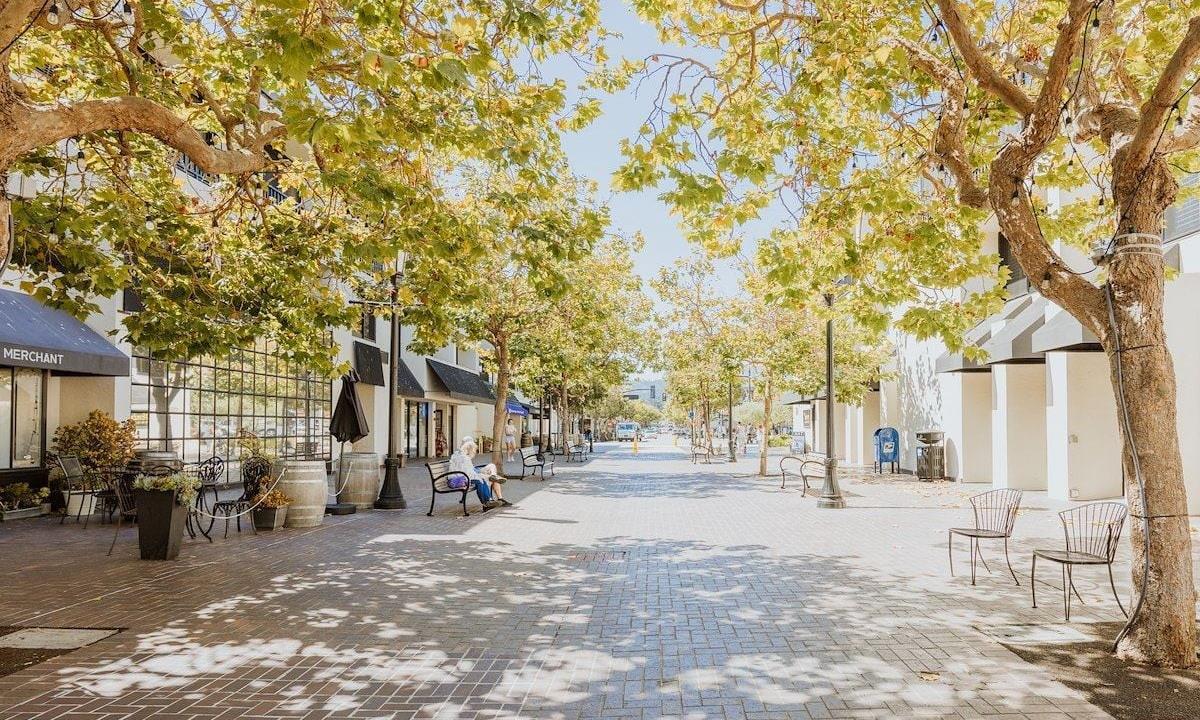
What's on Alvarado Street
The Portola Hotel & Spa is centrally located in downtown Monterey with Old Fisherman's Wharf only a 5-minute walk from the hotel, but less than a minute away is the heart of downtown Monterey, Alvarado Street.
Explore Monterey Family Fun
Best Monterey Beach Day Tips
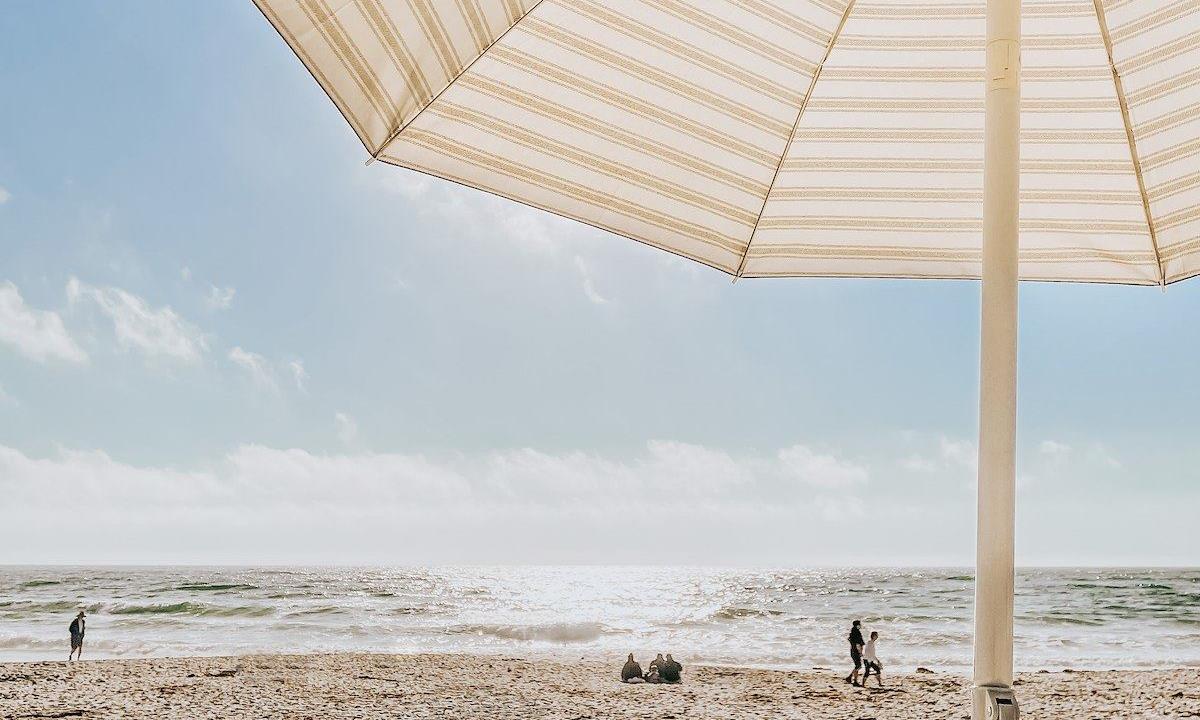
Monterey boasts some of the most beautiful beaches in California with each beach so unique. We're sharing our top Monterey beach day tips to help you enjoy the coast and make the most of your day by the sea!

6 Events to Attend during Monterey Car Week 2025
Auto enthusiasts are likely to have already heard of the world-renowned Monterey Car Week, with major events dotting the Peninsula.
Explore Monterey
3 Scenic Routes in Monterey
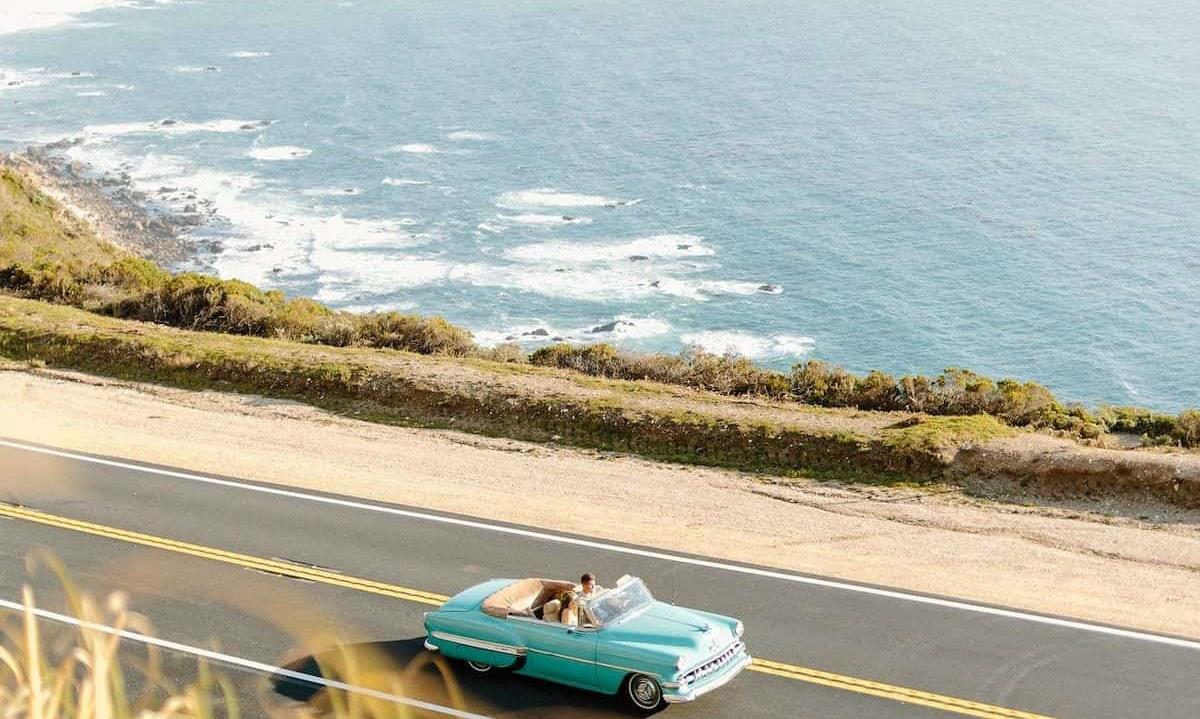
While Monterey boasts some of the most beautiful trails in the world, going in a car allows you to see more of the Monterey coastline that isn't quite walkable.
Explore Monterey
Our Guide to a Perfect Day at Old Fisherman's Wharf
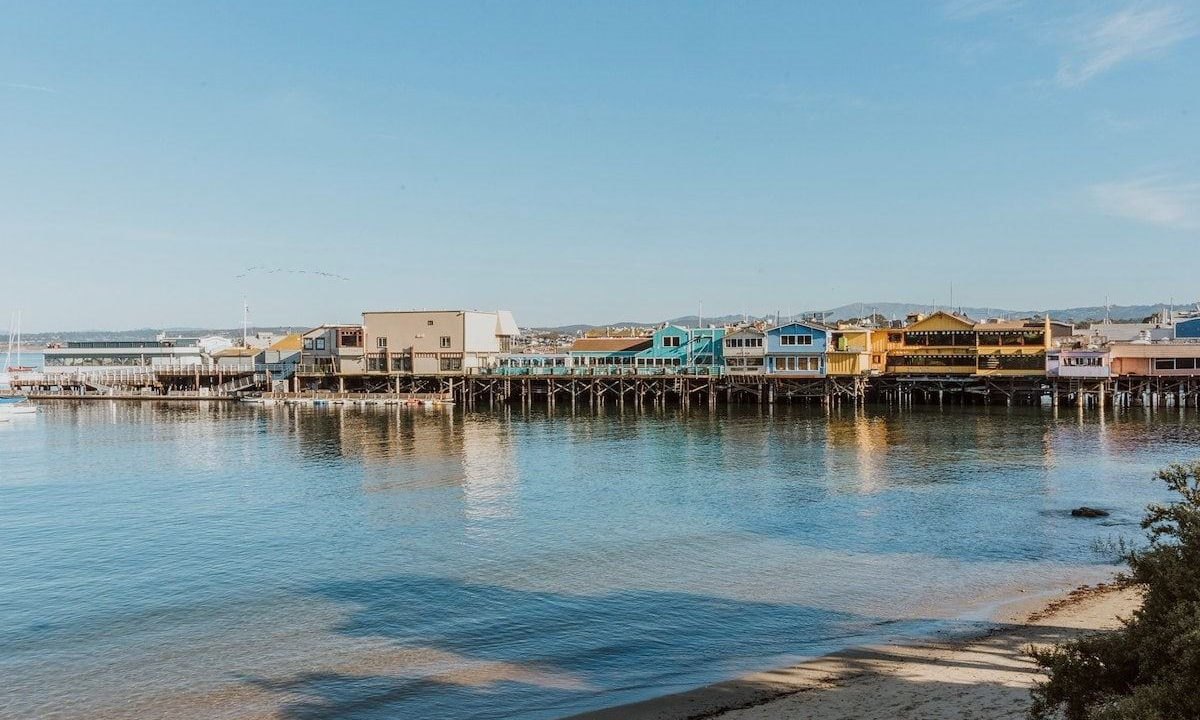
Old Fisherman's Wharf is home to many different business including attractions, shops and resturants. Here are our top recommendations for the perfect day!
Explore Monterey Family Fun
Dog Friendly Activities in Monterey County: A Guide for Guests With Dogs
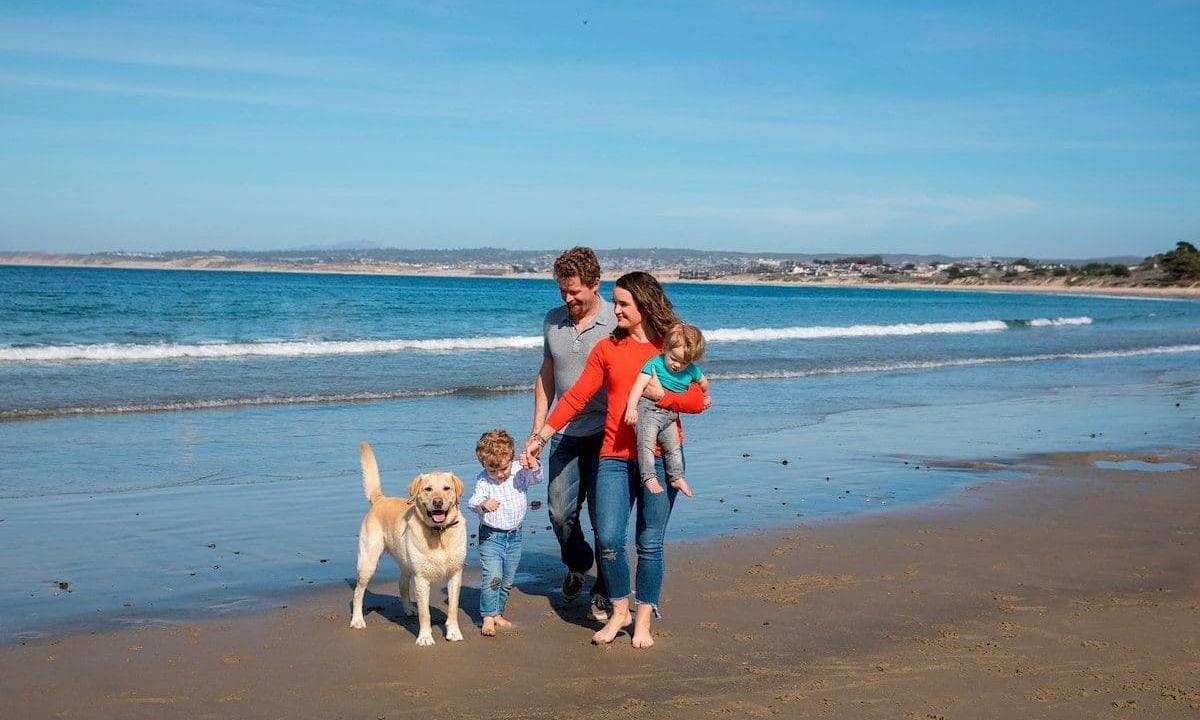
Explore the best Dog Friendly Activities in Monterey for guests of the Portola Hotel & Spa.
Explore Monterey Family Fun Festivals & Local Events
Spring Events in Monterey County
Spring is here! With the new season, we can’t wait for all the springtime events. Check out these spring events in Monterey County we’re looking forward to!
Explore Monterey Family Fun
Unveiling Hidden Gems in Monterey
Hidden gems and lesser-known activities and attractions offer unique experiences away from the hustle and bustle. Let's explore hidden gems in Monterey.